Commercial kitchens don't always need another full-size range. Sometimes what operators need most is additional cooking power exactly where the work happens.
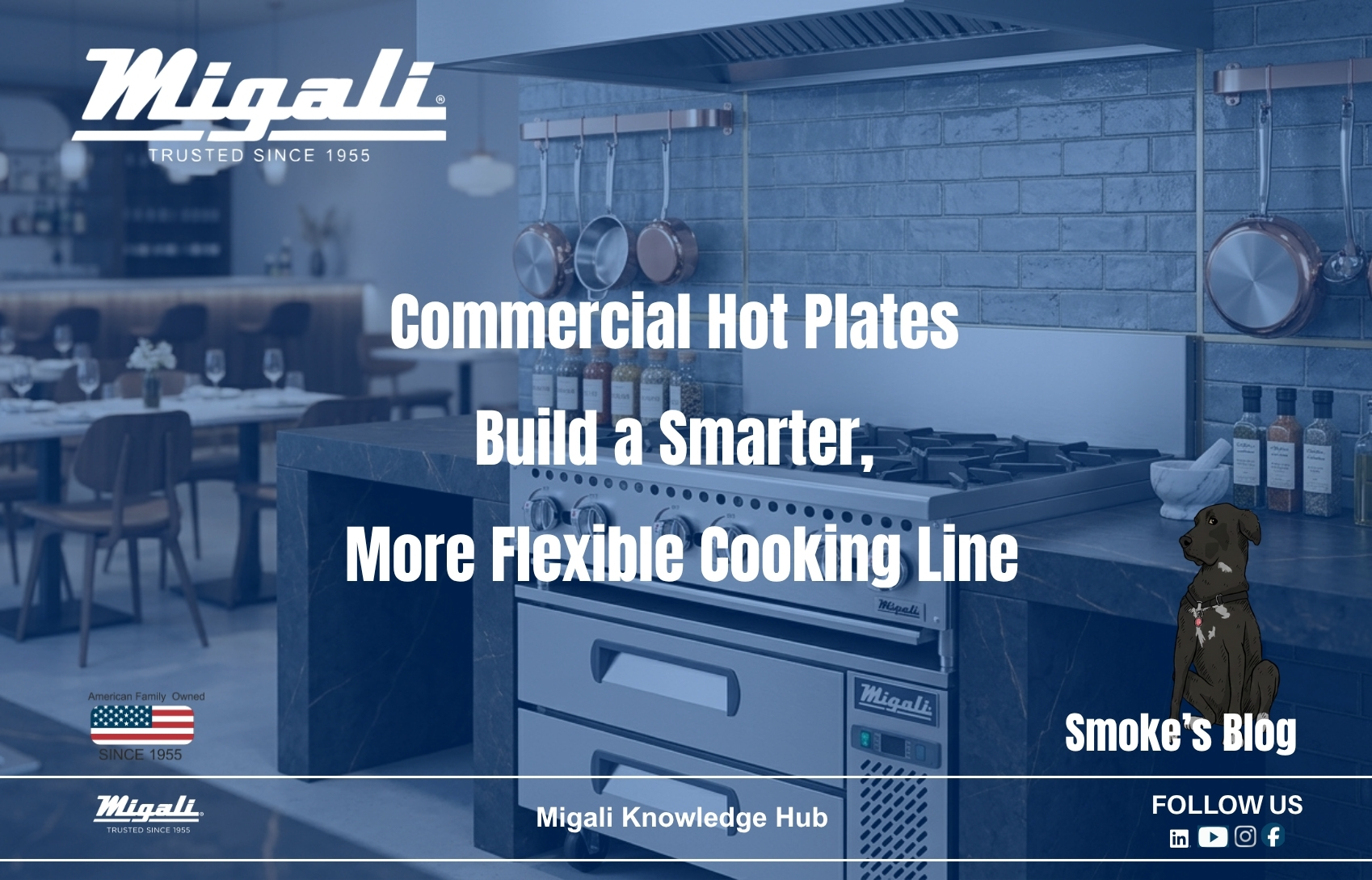
Migali Commercial Hot Plates provide a compact way to add high-performance open burners to a cooking line without taking up unnecessary floor space. Available in 2-, 4-, and 6-burner configurations, they give operators the flexibility to build a cooking station around their menu, available space, and production needs.
And when a hot plate is paired with a Migali Refrigerated Chef Base, the same footprint can provide both powerful cooking above and organized refrigerated ingredient storage below.
Commercial kitchens don't always need another full-size range. Sometimes what operators need most is additional cooking power exactly where the work happens.
Migali Commercial Hot Plates provide a compact way to add high-performance open burners to a cooking line without taking up unnecessary floor space. Available in 2-, 4-, and 6-burner configurations, they give operators the flexibility to build a cooking station around their menu, available space, and production needs.
And when a hot plate is paired with a Migali Refrigerated Chef Base, the same footprint can provide both powerful cooking above and organized refrigerated ingredient storage below.
The commercial griddle is one of the most versatile workhorses in a professional kitchen. From breakfast service and burgers to grilled sandwiches, proteins, and vegetables, a single cooking surface may handle dozens of different menu items throughout the day.
But not every kitchen uses its griddle the same way.
Some chefs prefer the direct, hands-on control of a manual griddle. Others want the temperature consistency and precision of thermostatic controls.
That's why Migali Commercial Griddles are available in both manual and thermostatic configurations, giving operators the flexibility to choose the cooking style that best fits their menu, volume, and kitchen workflow.
Proper oil management is one of the most important—and often overlooked—aspects of operating a commercial fryer. Clean, well-maintained oil not only produces better-tasting food but also extends equipment life, improves efficiency, and helps reduce operating costs.
Whether you're frying french fries, chicken, seafood, or appetizers, following a few simple best practices can make a noticeable difference in both food quality and profitability.
In today's foodservice industry, every dollar counts. Rising utility costs, increasing labor expenses, and tighter operating margins have restaurant owners looking for equipment that delivers both performance and efficiency.
While cooking capacity and recovery time are important when choosing a commercial fryer, energy consumption has become just as critical. An energy-efficient fryer can help reduce operating costs while maintaining the consistent cooking performance customers expect.
Migali Commercial Fryers are built to meet the demands of busy professional kitchens, with select models carrying the ENERGY STAR® certification to help operators save energy without sacrificing productivity.
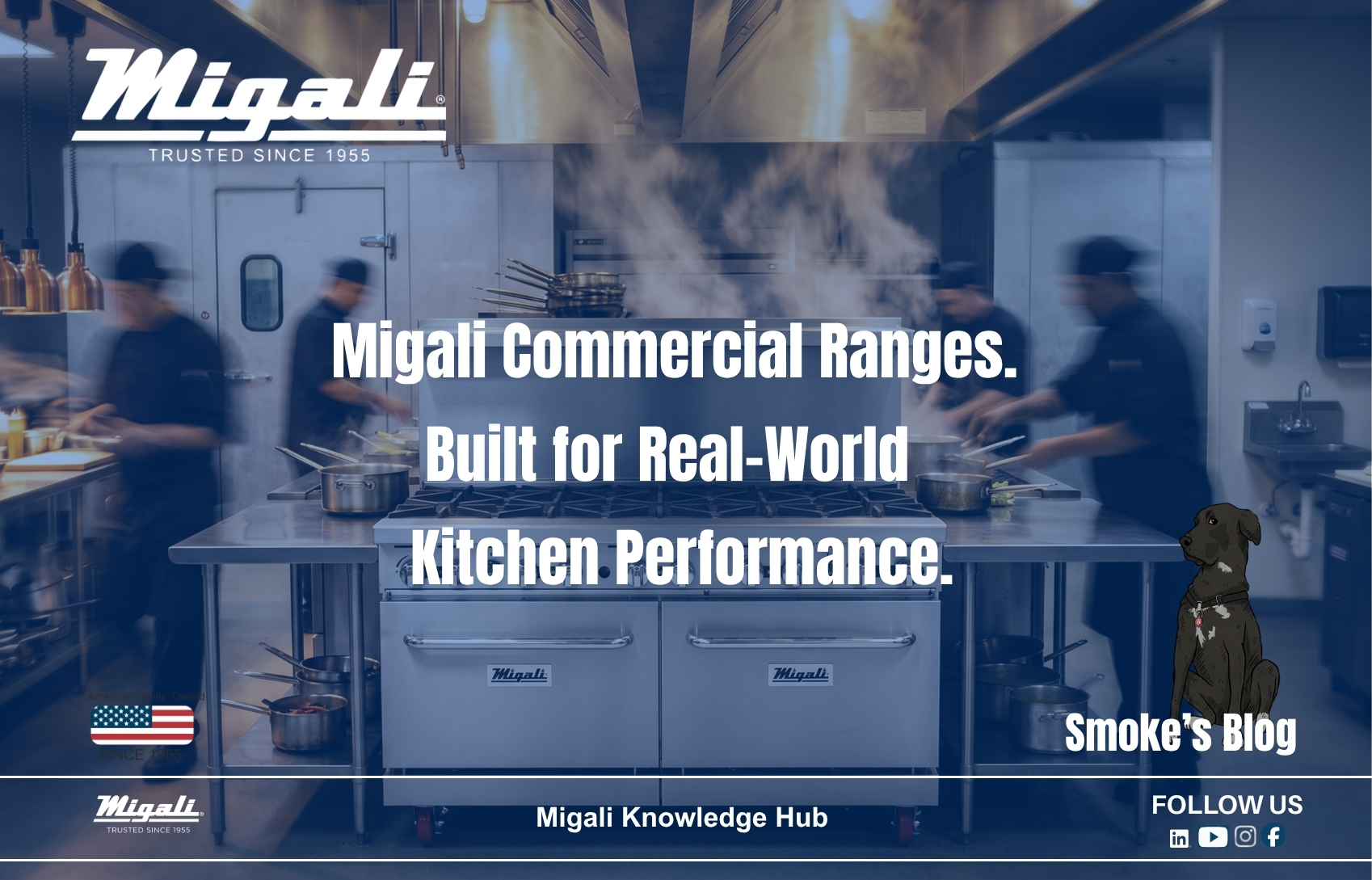
In every commercial kitchen, the cooking line is where speed, consistency, and reliability come together. Whether preparing breakfast during the morning rush, cooking lunch service, or handling hundreds of dinner orders, operators rely on equipment that performs day after day.
Migali commercial ranges are designed for these demanding environments. Combining powerful burners, durable construction, and versatile cooking configurations, they provide professional kitchens with dependable performance and flexibility for a wide variety of menu applications.
At Migali Knowledge Hub, our Food Safety Series is dedicated to helping dealers and operators maintain safe, efficient kitchen environments. Each month, we share practical insights and best practices to support proper food handling, storage, and refrigeration use in real-world operations.
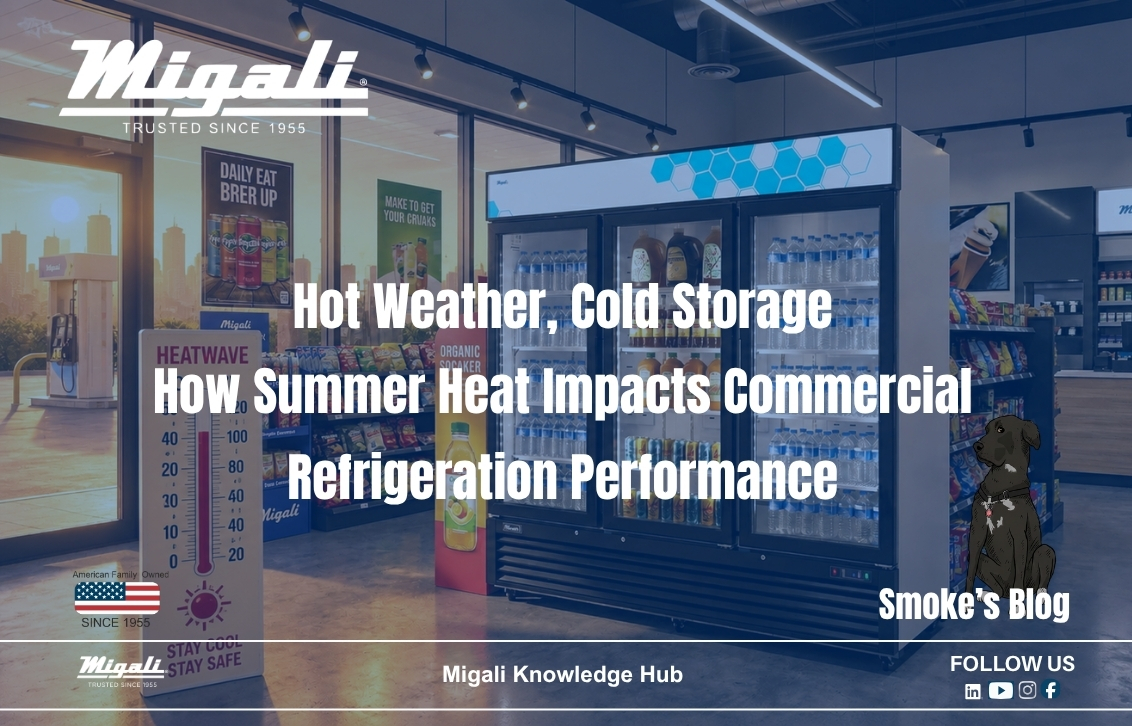
As summer temperatures rise, commercial kitchens face a unique challenge: keeping refrigerated products safe while refrigeration equipment works harder than ever. Heat waves and high ambient temperatures can impact refrigeration performance, increase energy consumption, and place additional stress on equipment.
Understanding how summer heat affects refrigeration can help operators protect food quality, maintain food safety, and keep operations running smoothly during the busiest months of the year.
In foodservice and retail environments, presentation and temperature control go hand in hand. Customers want to clearly see the products they are purchasing, while operators need reliable refrigeration to help maintain freshness and food safety.
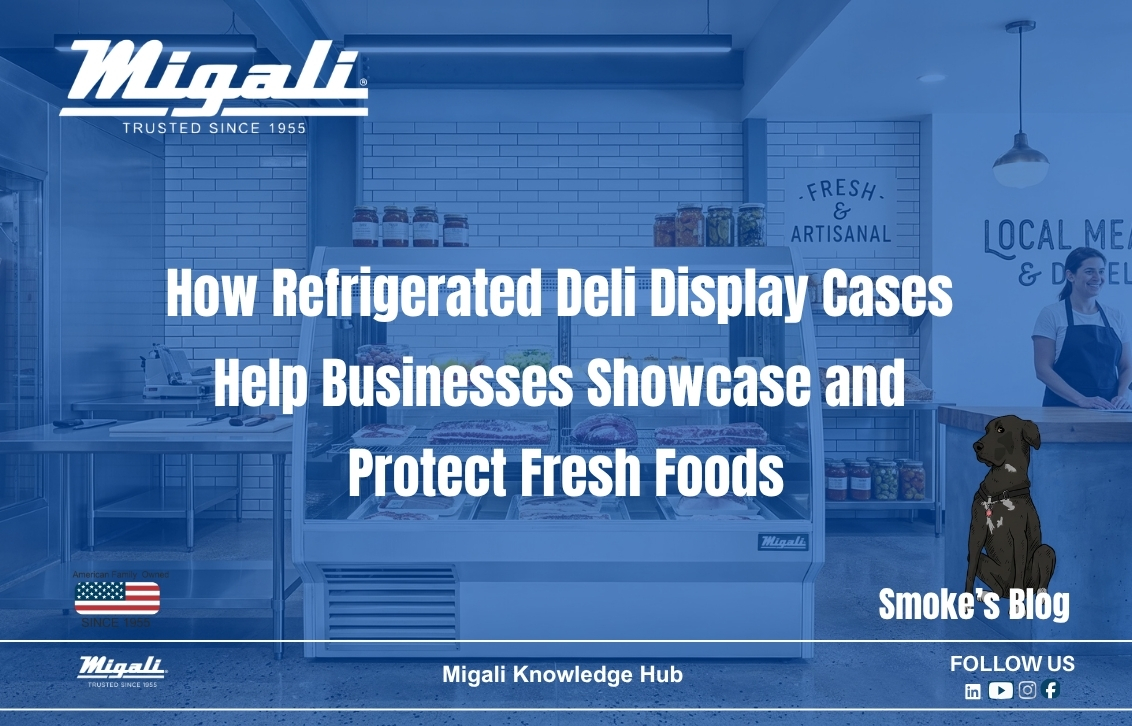
Refrigerated deli display cases are designed to accomplish both goals. By combining attractive product presentation with dependable cooling performance, these units help businesses showcase fresh foods while maintaining proper holding temperatures throughout the day.
Migali® Refrigerated Deli Display Cases are available in both curved glass and straight glass configurations, offering flexible merchandising solutions for a variety of commercial applications.
When customers order a cold beer, a refreshing soft drink, or a perfectly served cocktail, they expect more than just a beverage—they expect a great experience.
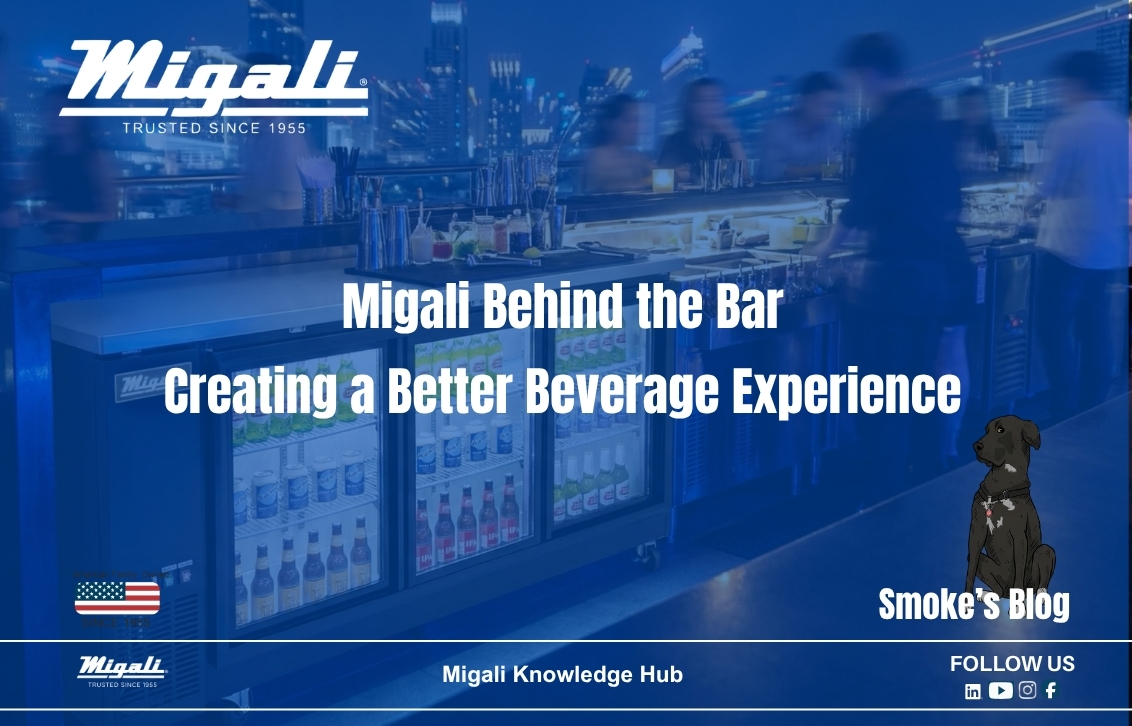
Behind every successful bar operation is a combination of organization, efficiency, and reliable refrigeration. From keeping beverages properly chilled to ensuring bartenders can work quickly during peak hours, the right equipment plays a critical role in customer satisfaction.
Migali's lineup of bar refrigeration solutions is designed to help operators create a better beverage experience while supporting efficient day-to-day operations.
At Migali Knowledge Hub, our Industry Insights series focuses on the trends, strategies, and decisions shaping today’s commercial kitchens. From equipment selection to operational efficiency, we provide practical insights to help dealers and operators stay competitive in a changing market.
In today’s foodservice environment, pricing pressure is stronger than ever. With more low-cost options entering the market, it can be tempting to focus only on upfront price when selecting refrigeration equipment.
However, the most successful operators and dealers understand one key principle:
The true cost of equipment isn’t what you pay upfront — it’s what you pay over time. This is known as the Total Cost of Ownership (TCO), and it plays a critical role in long-term profitability.